
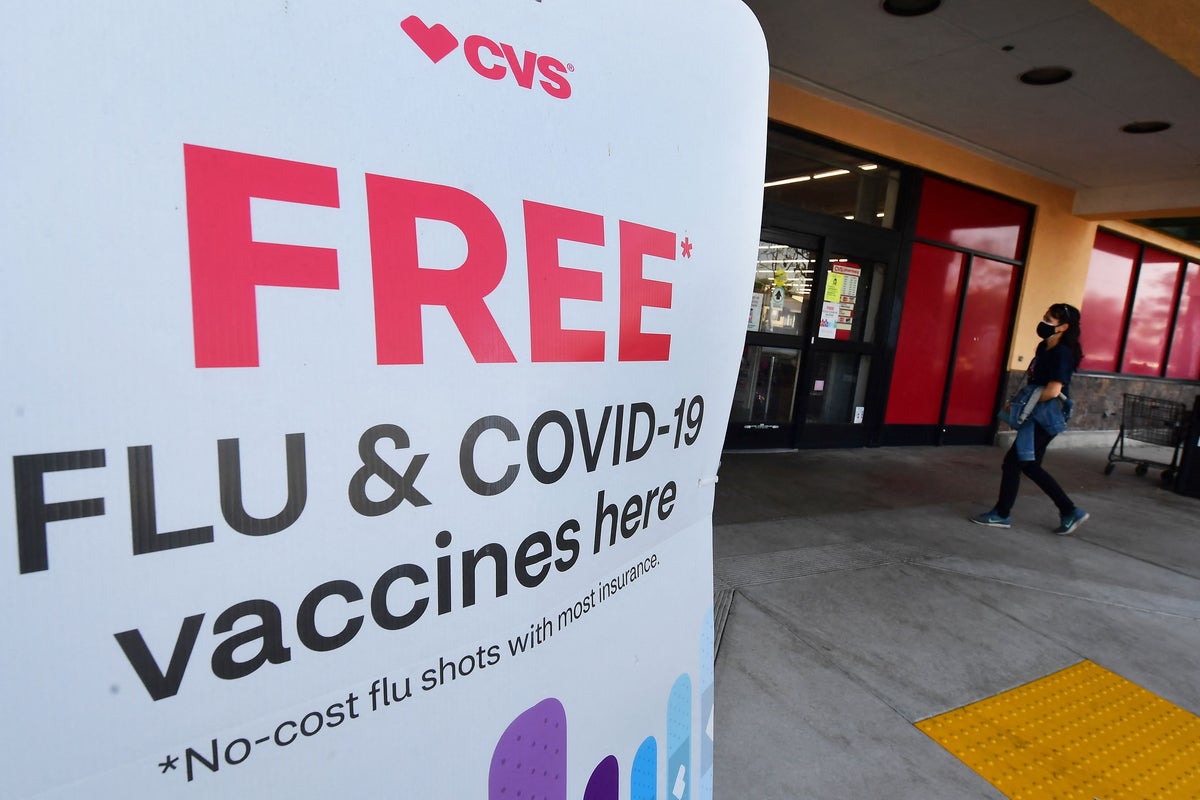
Doctors warn of new ‘mutated’ flu strain that vaccine may not be as effective against
Your support helps us to tell the story
From reproductive rights to climate change to Big Tech, The Independent is on the ground when the story is developing. Whether it’s investigating the financials of Elon Musk’s pro-Trump PAC or producing our latest documentary, ‘The A Word’, which shines a light on the American women fighting for reproductive rights, we know how important it is to parse out the facts from the messaging.
At such a critical moment in US history, we need reporters on the ground. Your donation allows us to keep sending journalists to speak to both sides of the story.
The Independent is trusted by Americans across the entire political spectrum. And unlike many other quality news outlets, we choose not to lock Americans out of our reporting and analysis with paywalls. We believe quality journalism should be available to everyone, paid for by those who can afford it.
Your support makes all the difference.Read more
Doctors across the country are issuing strong warnings about the spread of a mutated strain of Influenza that could lead to severe infection and evade protection from current flu vaccines.
Known as Subclade K, the H3N2 offshoot has been at the center of recent surges in Europe, Canada and Japan.
But the variant has also spread stateside – although a pause in data during the government shutdown has made it difficult to get a handle on the scope of the threat.
“This mutation has been associated with an increased rate of flu infections in countries that are already witnessing it and also in parts of the United States,” Illinois Department of Public Health Chief Medical Officer Dr. Arti Barnes told NBC Chicago.
“This strain is spreading fast, it’s spreading widely and so we really are on guard right now and are bracing ourselves for another flu season,” he said.
open image in gallery
Doctors are urging Americans to get their flu shots now amid a spread of a variant of Influenza A virus (AFP via Getty Images)
While symptoms of Subclade K are largely consistent with other flu strains – a fever, cough, sore throat, chills, muscle aches and fatigue – illness is expected to be more severe and there is concern that current flu vaccines won’t be able to protect against the virus as well as past seasons.
At the time scientists chose which strains to include in the annual shots, Subclade K hadn’t emerged as a potential threat.
The vaccine does protect from other strains of H3N2 and H1N1, as well as one type of Influenza B strain.
“It’s not like we’re expecting to get complete loss of protection for the vaccine, but perhaps we might expect a little bit of a drop-off if this is the virus that sort of dominates the season, and early indications are that’s probably going to be the case,” Dr. Richard Webby, director of the World Health Organization Collaborating Center at St. Jude Children’s Research Hospital, told CNN.
Vaccines should still protect from severe infection, although Subclade K could mean an increase in cases this winter.
A different H3N2 variant has become the dominant strain of flu in the U.S. so far this season.
Meanwhile, the Southern Hemisphere’s winter saw a longer flu season than is typical, and Australia experienced the worst flu season in the country’s history.
H3N2 viruses “tend to be a little bit more problematic,” Webby told NPR. “When we have an H3N2 season, we tend to have a little bit more activity, a little bit more disease at the severe end of the spectrum.”
open image in gallery
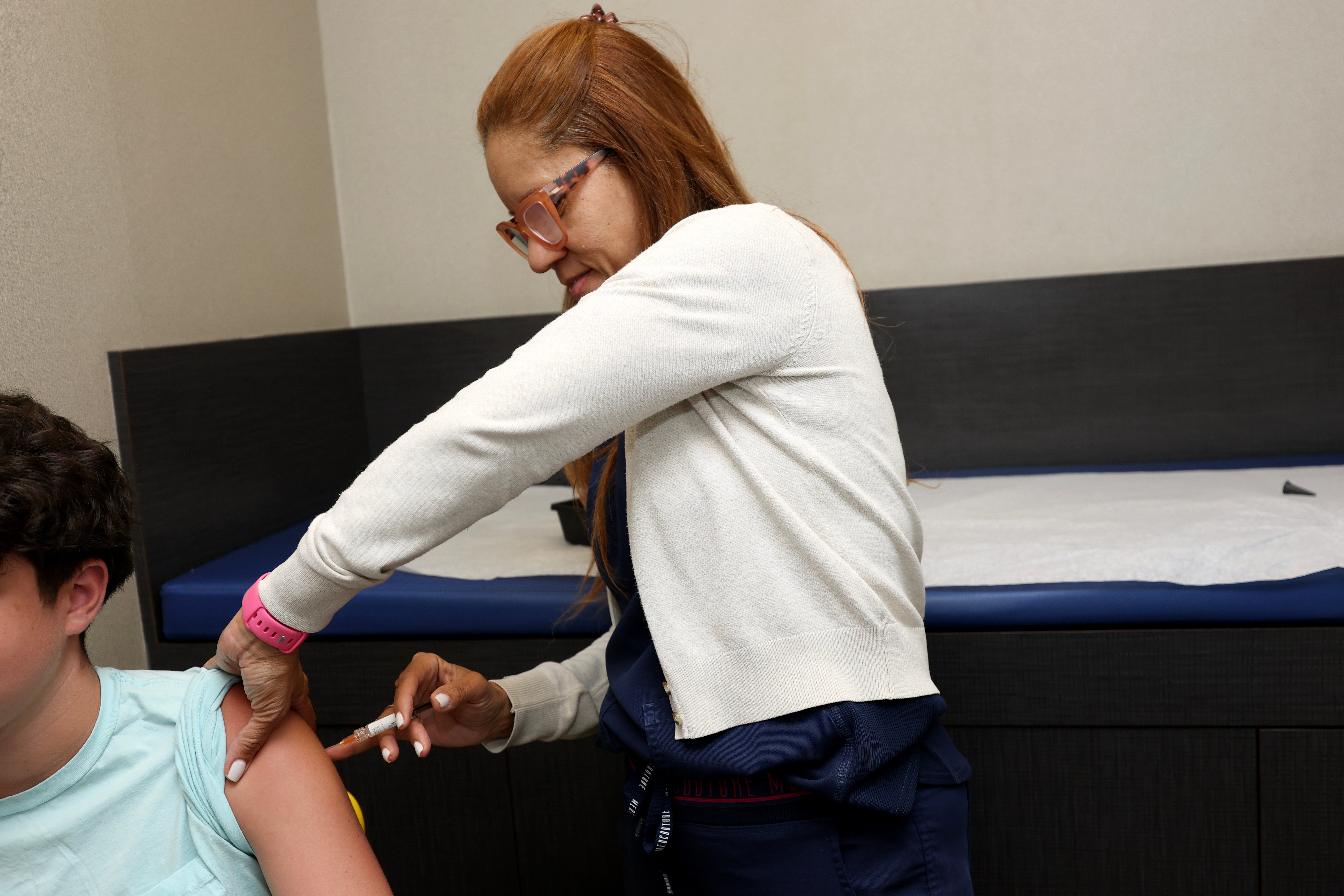
Last winter saw the worst flu season in 15 years, with over 82 million cases (Getty Images)
Last winter’s season saw the worst flu season in 15 years, with the highest number of child deaths since 2004 and 82 million cases from October to mid-May.
The annual flu season typically peaks between December and February, as people head indoors during colder weather and travel to gather for the holidays.
With all that in mind, doctors say that the time to get vaccinated is now.
“We’re likely a few weeks out from things getting really serious, and that means now is the time to get vaccinated, because it takes a couple of weeks for full protection,” said Sam Scarpino, a public health expert at Northeastern University, told The New York Times.
“I’ve seen at least a half a dozen sick people already today, which is totally different than last week. So, it’s definitely started,” Dr. James Solava, a primary care physician with Allegheny Health Network, told CBS News. “It’s like somebody flipped a switch this week.”
No Byline Policy
Editorial Guidelines
Corrections Policy
Source