
Covered California Is Dropping DACA Recipients. What’s Available Now?
Medi-Cal (aka Medicaid in California)
More than 1.6 million low-income undocumented Californians are currently covered by an extension of Medi-Cal that is solely funded by the state, not the federal government. After Aug. 31, DACA recipients will have to contact their county’s Medi-Cal office directly to apply for coverage. (Check the income-based eligibility limits for Medi-Cal.)
Keep in mind, however, that time is running out for this option: state officials plan to freeze new Medi-Cal enrollment for undocumented immigrants who are 19 and older at the start of 2026.
Your county
A few Bay Area counties have programs that help cover the costs of specific health services for uninsured people, which don’t exclude DACA recipients, including:
- Healthy San Francisco, which covers primary and specialty care for city residents who don’t qualify for Medi-Cal or Covered California, regardless of immigration status
- Contra Costa County’s Basic Health Care program for people making less than 300% of the federal poverty level who can’t join Medi-Cal
Other counties, like Santa Clara, have their own health systems and offer financial aid for certain treatments, depending on your income.
Individual health plans
While DACA recipients can no longer look for new health care plans on the Covered California website after Aug. 25, you can still go to the websites of individual insurance companies and buy a plan. But without the subsidies from Covered California, you would have to pay for the full cost of premiums and deductibles.
Community clinics
If you end up uninsured for some time after Aug. 31, remember that there are multiple community clinics in California that offer basic care for free or at a sliding scale. The services provided by these clinics, however, are limited and cannot match the range covered by an HMO or PPO plan.
In the Bay Area, some community clinics serving uninsured residents are:
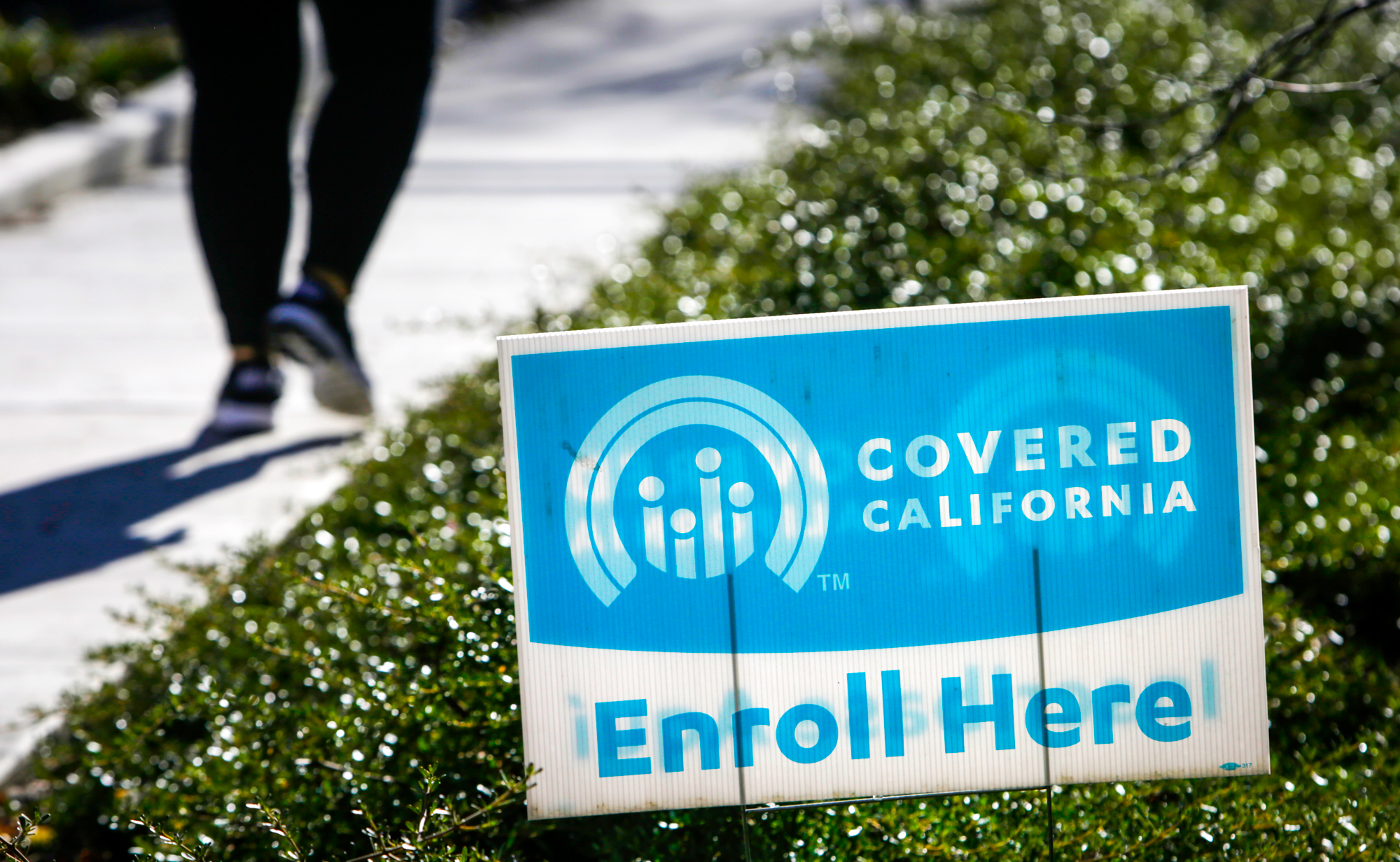
The Covered California website is displayed during a health care enrollment fair at the office of SEIU-United Healthcare Workers West on March 18, 2014, in San Francisco, California. (Justin Sullivan/Getty Images)
San Francisco Free Clinic: Offers primary care to uninsured people. To make an appointment, call 415-750-9894 from 10 a.m. to 4:30 p.m., Monday through Friday. Located at 4900 California St., in San Francisco.
RotaCare Bay Area Clinics: A network of volunteers travel around the Bay Area staffing clinics that serve uninsured residents a few times each month. Locations served include Daly City, Half Moon Bay, Pittsburg, San José, San Pablo and San Rafael.
Ashland Free Medical Clinic: Offers remote and in-person primary care, optometry and mental health services on Saturdays. Call 510-407-2362 ahead of time to check eligibility. Located at 6539 Ashland Ave., in San Lorenzo.
Jewish Community Free Clinic: Offers primary care, testing, acupuncture and therapy services. Fill out an online form to request an appointment, which can also happen virtually. Located at 50 Montgomery Drive, in Santa Rosa.
Keep communicating with your doctors
As you decide what you’ll do after Aug. 31, keep your primary care doctor, along with any specialists you see, in the loop about your situation. If you end up changing your healthcare provider, let your doctor know ahead of time so they can advise you on how you can access your medical information once you make the switch.
If you are receiving treatment for a chronic health condition, make a plan with your physician on how to continue receiving the care you need after Aug. 31.
If you go to therapy with your old health plan and will be uninsured after Aug. 31, you can ask your therapist to refer you to sliding-scale therapy services or check out KQED’s guide on how to find affordable therapy in the Bay Area.
No Byline Policy
Editorial Guidelines
Corrections Policy
Source