
Doctor Raises Concerns Over Medical Cannabis Use With Cancer Treatment
Despite its growing popularity among cancer patients for managing symptoms like nausea, pain and reduced appetite, a new study has warned that the use of medicinal cannabis could make immunotherapy less effective.
This is the warning of Australian medical cannabis advocate Dr. Ben Jansen, whose newly-published review paper poses the question: “Are cannabinoids with cancer immunotherapy contributing to early death?”
“As both a physician involved in the medicinal cannabis industry and an advocate for patient care, I find the discussion and patient informed consent around this interaction critical,” Jansen wrote in his study.
“Three key studies on this topic offer preliminary data suggesting a potential reduction in immunotherapy efficacy from cannabis use,” he continued.
“Though the results remain limited and controversial, warranting caution and additional research.”
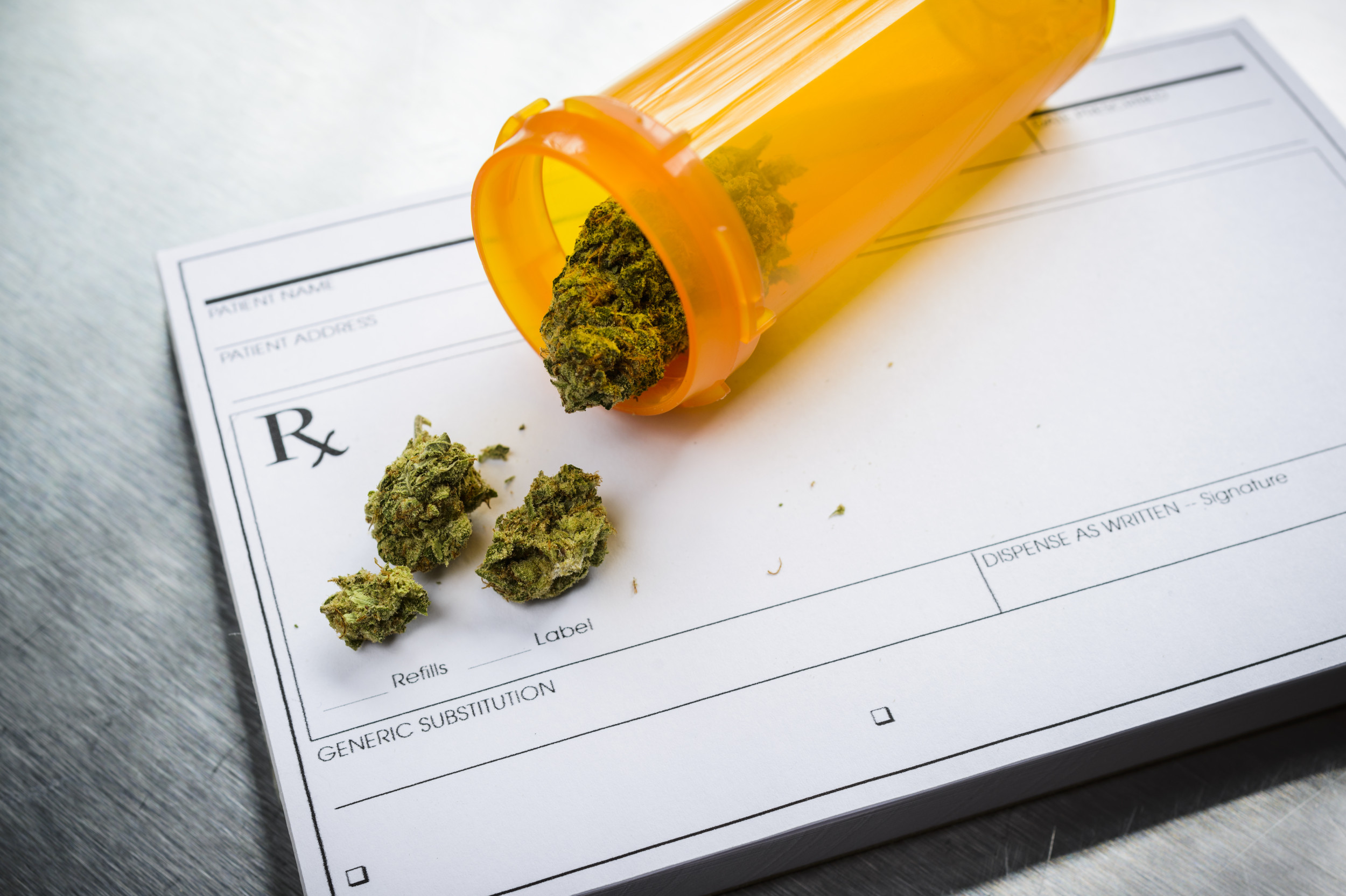
Medical marijuana over official looking subscription document.
thegoodphoto/Getty Images
The first study looked into patients receiving the immunotherapy drug nivolumab for advanced cancers, including lung cancer, renal cell carcinoma and melanoma. It compared those on nivolumab alone (89 patients) and those on both nivolumab and cannabis (51 patients).
The findings, Jansen noted, showed a significantly lower treatment response rate in patients using cannabis than in those on just nivolumab (15.9 vs. 37.5 percent.) The analysis excluded patients with advanced disease with survival of less than two months.
“This suggests that patients using cannabis were approximately three times more likely to have a poor response to immunotherapy. Notably, cannabis use did not significantly impact progression-free survival or overall survival,” Jansen wrote.
Building on this, the second study compared 34 patients prescribed both immunotherapy and cannabis with 68 patients receiving the cancer treatment alone.
That study found that tumors tended to take less than three-and-a-half months to grow or spread in the patients taking cannabis, as compared to more than a year for patients on immunotherapy alone.
It also found the median overall survival time for cannabis users was 6.4 months compared to 28.5 months for non-users.
A colourful illustration representing immune cells and white blood cells.
quantic69/Getty Images
It should be noted that both studies had inherent limitations—including small sample sizes and a focus on inhaled cannabis, rather than the orally-administered versions Jansen notes is favored in his experience with patients.
Jansen added: “Factors such as smoking and other lifestyle elements, which heavily influence cancer risk and treatment outcomes, should be carefully considered when assessing cannabis’ role in immunotherapy efficacy and cancer progression, and when interpreting the studies.”
The third study looked at 105 patients with tumors developing in solid organs—e.g. the breast, lung or prostate—receiving immune checkpoint inhibitors, and cannabis use primarily in the form of prescribed dronabinol.
(Immune checkpoint inhibitors are a form of immunotherapy treatment that works by blocking proteins that prevent the immune system from attacking cancer cells.)
Cannabis use was associated with significantly worse outcomes in patients receiving immunotherapy, including a shorter median overall survival time (6.7 vs 17.3 months), a reduced progression-free survival tune (4.8 vs 9.7 months) and a markedly lower disease control rate (10.7 percent vs 37.7 percent) compared with non-users.
“Notably, these negative outcomes were most evident in white patients, raising the possibility of ethnicity-related pharmacogenetic variability in cannabinoid metabolism or immune response,” Jansen wrote.
Other potentially important factors like performance status, comorbidities and socio-economic status may have also been unaccounted for, and though tobacco was more common among cannabis users, it may still have influenced outcomes.
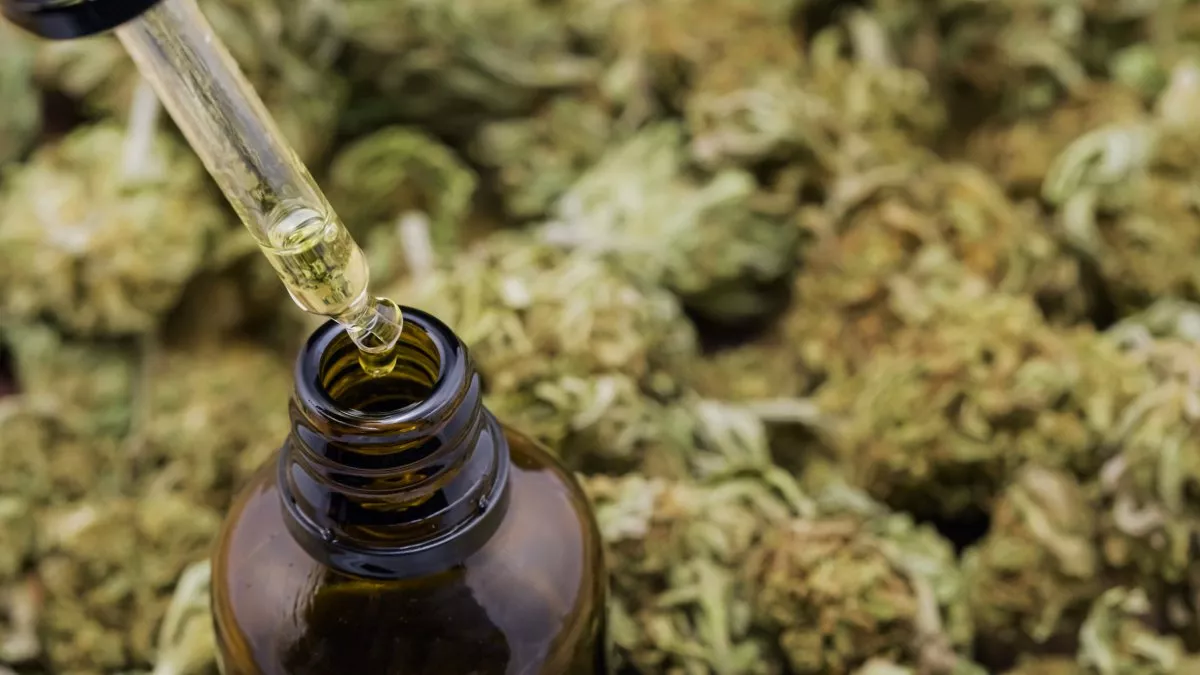
Dropper with medical cannabis CBD hemp oil for oral use.
24K-Production/Getty Images
“One of the challenges in interpreting these studies is the inherent complexity of cannabis as a therapeutic agent,” wrote Jansen.
Past research, Jansen notes, has found that cannabis can suppress the immune system through its active compounds: CBD, THC and other minor cannabinoids. At the same time, however, studies undertaken both in vitro and in living organisms have suggested that cannabinoids can both kill cancer cells and stop from spreading.
“These findings hold particular relevance for patients considering, or currently using, medical cannabis during immunotherapy,” the doctor said.
“As medical practitioners, we must weigh the benefits of cannabis in managing cancer-related symptoms (such as pain, nausea and anorexia) against its potential to compromise treatment efficacy.”
“While cancer has a promising role in supportive cancer care, these early findings support careful consideration when patients are concurrently undergoing immunotherapy.”
Jansen emphasized how important it is that clinicians ensure patients are well informed of potential interactions, particularly until we have a clearer understanding of the situation, and has called for more thorough research and trials.
“Future studies should aim to control for variables such as cancer type, cannabis dosage, socio-economic status and patient lifestyle factors, particularly tobacco use, which may confound results,” he concluded.
Do you have a tip on a health story that Newsweek should be covering? Do you have a question about cancer? Let us know via health@newsweek.com.
References
Bar-Sela, G., Cohen, I., Campisi-Pinto, S., Lewitus, G. M., Oz-Ari, L., Jehassi, A., Peer, A., Turgeman, I., Vernicova, O., Berman, P., Wollner, M., Moskovitz, M., & Meiri, D. (2020). Cannabis Consumption Used by Cancer Patients during Immunotherapy Correlates with Poor Clinical Outcome. Cancers, 12(9), Article 9. https://doi.org/10.3390/cancers12092447
Hadid, T., Biedny, A., Mamdani, H., Azmi, A., Kim, S., Jang, H., Uprety, D., Al Hallak, M. N., & Sukari, A. (2024). Association between cannabis use and clinical outcomes in patients with solid malignancies receiving immune checkpoint inhibitors. Therapeutic Advances in Vaccines and Immunotherapy, 12, 25151355241309095. https://doi.org/10.1177/25151355241309095
Jansen, B. (2025). Are cannabinoids with cancer immunotherapy contributing to early death? A call for caution and further study. New Zealand Medical Journal, 138(1619). https://doi.org/10.26635/6965.6986
Taha, T., Meiri, D., Talhamy, S., Wollner, M., Peer, A., & Bar‐Sela, G. (2019). Cannabis Impacts Tumor Response Rate to Nivolumab in Patients with Advanced Malignancies. The Oncologist, 24(4), 549–554.
No Byline Policy
Editorial Guidelines
Corrections Policy
Source