
Does Eating Collagen Really Regenerate the Skin?
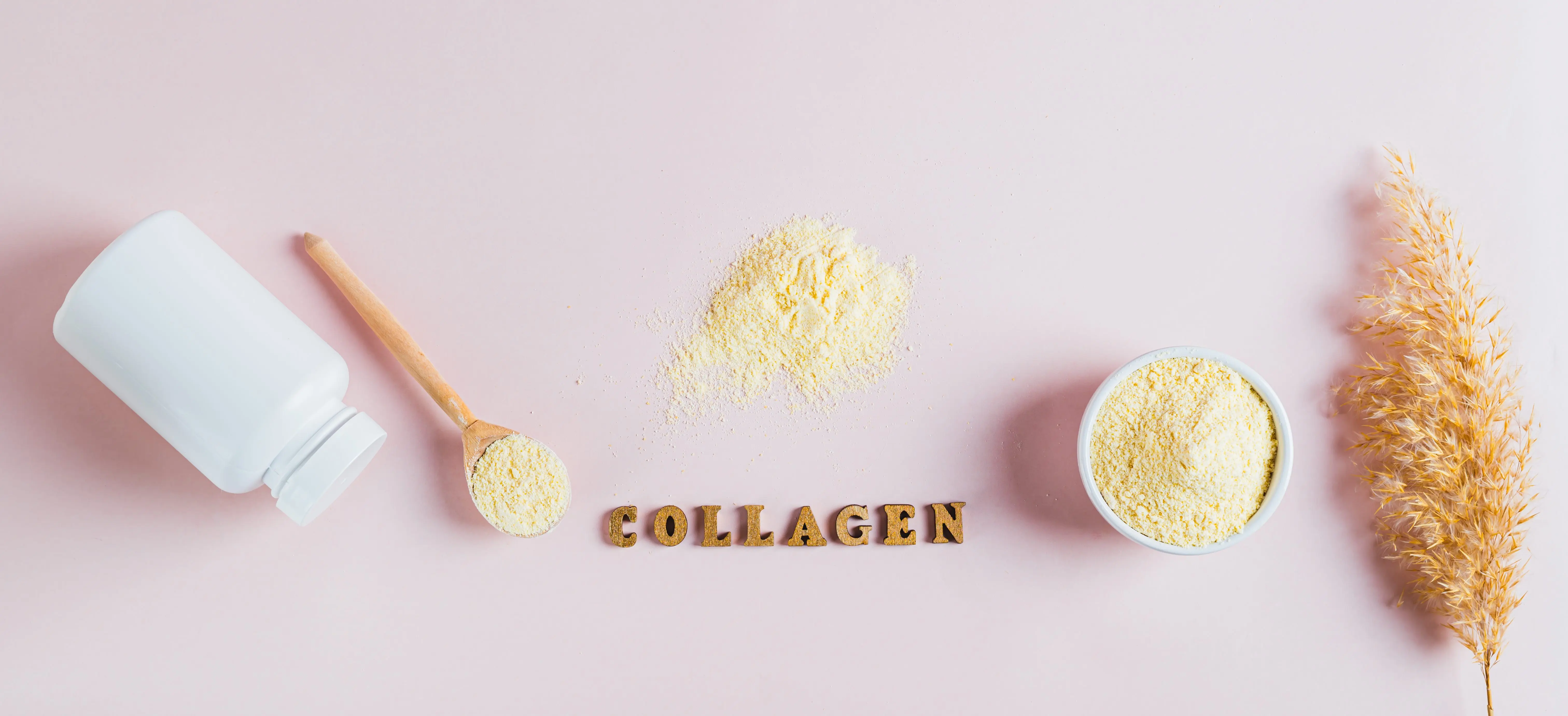
Hydrolyzed collagen protein powder
Hydrolyzed collagen protein powder
The popularity of collagen supplements has skyrocketed, with promises of smoother, younger-looking skin. But what truly happens when we eat collagen, and does it help regenerate the skin? Most importantly, which claims have been substantiated.
What Happens in the Body
Collagen is a long-chain protein made from amino acids, primarily glycine, proline, and hydroxyproline, that provide structure and elasticity to the skin, joints, and connective tissues, however, it does not provide all the essential amino acids- as plant proteins do. (Harvard Nutrition Source, 2024) When you eat collagen, your digestive enzymes break it down into smaller peptides and amino acids. These fragments enter the bloodstream and act as signaling molecules, stimulating fibroblast cells in the dermis to produce more collagen, elastin, and hyaluronic acid, a key components of skin regeneration (Cleveland Clinic, 2023).
A landmark double-blind study published in Skin Pharmacology and Physiology found that daily oral collagen peptides increased skin elasticity, hydration, and dermal collagen density after eight weeks (Proksch et al., 2014). The researchers connected these effects not to collagen being fully absorbed, but to its amino acid building blocks, which help re-activate fibroblasts and repair the extracellular matrix.
How Amino Acids Support Regeneration
Amino acids are fundamental to all wound-healing and regenerative processes. Glycine, the most abundant amino acid in collagen, supports activity of fibroblast and acts as a precursor for glutathione, the body’s main antioxidant that reduces oxidative stress in skin cells. Proline and hydroxyproline directly promote the synthesis of new collagen fibers and stabilize their triple-helix structure (Nutrients Journal, 2021).
These amino acids also enhance moisture retention and reduce inflammation, factors critical for the restoration of dermal integrity.
Furthermore, studies show that collagen-derived peptides can increase hyaluronic acid levels, improving skin hydration and elasticity (PMCID: PMC10180699). This biochemical feedback loop effectively tells the body to “make more collagen,” promoting a regenerative response at the cellular level.
The Scientific Controversy
Critics, including researchers at Harvard T.H. Chan School of Public Health, argue that while collagen peptides supply raw materials, the body determines where to use them, they don’t automatically rebuild skin. “There’s limited evidence that eating collagen directly results in better skin or joint health,” the institution notes (Harvard Nutrition Source, 2024).
Bottom Line
Collagen supplements and collagen rich foods can support regeneration by delivering key amino acids that help fibroblasts rebuild connective tissue and improve hydration. However, regeneration isn’t the same as reversal, it’s a gradual, supportive process best paired with a nutrient rich diet, that includes essential amino acids, vitamin C, adequate sleep, and external support for the skin with sun protection.
The conclusion is that eating collagen doesn’t directly rebuild your skin, however, it improves hydration, and its amino acids may give your body the raw materials and biochemical foundation to help it do so naturally.
No Byline Policy
Editorial Guidelines
Corrections Policy
Source