
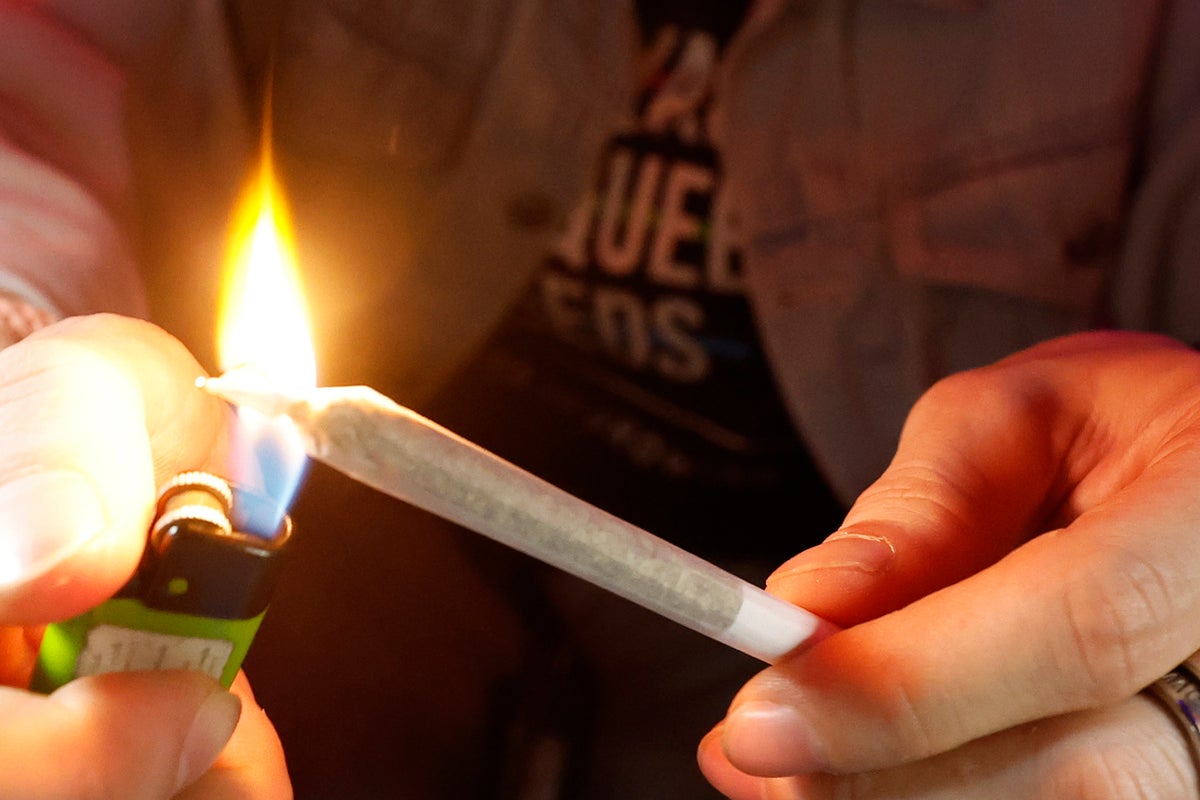
Thailand bans recreational cannabis again in major blow to tourism
Your support helps us to tell the story
From reproductive rights to climate change to Big Tech, The Independent is on the ground when the story is developing. Whether it’s investigating the financials of Elon Musk’s pro-Trump PAC or producing our latest documentary, ‘The A Word’, which shines a light on the American women fighting for reproductive rights, we know how important it is to parse out the facts from the messaging.
At such a critical moment in US history, we need reporters on the ground. Your donation allows us to keep sending journalists to speak to both sides of the story.
The Independent is trusted by Americans across the entire political spectrum. And unlike many other quality news outlets, we choose not to lock Americans out of our reporting and analysis with paywalls. We believe quality journalism should be available to everyone, paid for by those who can afford it.
Your support makes all the difference.Read more
Thailand is poised to recriminalise cannabis, a move set to dismantle a burgeoning industry estimated to be worth over £734 million.
The trade has flourished since the substance was delisted from the country’s narcotics register in 2022.
The push to reintroduce stringent controls on recreational cannabis use follows a recent political shift within the ruling coalition.
The Bhumjaithai Party, a key proponent of cannabis legalisation, withdrew from the government last week. The departure came amidst scrutiny over Prime Minister Paetongtarn Shinawatra’s handling of a border dispute with Cambodia.
In a decisive step late on Tuesday, Thailand’s health ministry issued an order explicitly prohibiting the sale of cannabis for recreational purposes.
Under the new mandate, any retail purchase will now necessitate a doctor’s prescription.
open image in gallery
Cannabis activists and entrepreneurs hold cannabis plants in front of Government House in Bangkok in July 2024 (AP)
These regulations are expected to come into effect swiftly, once they are officially published in the Royal Gazette, a process that could occur within days.
Three years ago, Thailand became one of the first countries in Asia to decriminalise the recreational use of cannabis, but without any comprehensive rules to govern the sector.
Since then, tens of thousands of shops and businesses selling cannabis have sprung up across Thailand, many of them located in the country’s tourism hubs.
Thai Chamber of Commerce previously estimated the industry, which includes medicinal products, could be worth $1.2 billion by 2025.
open image in gallery
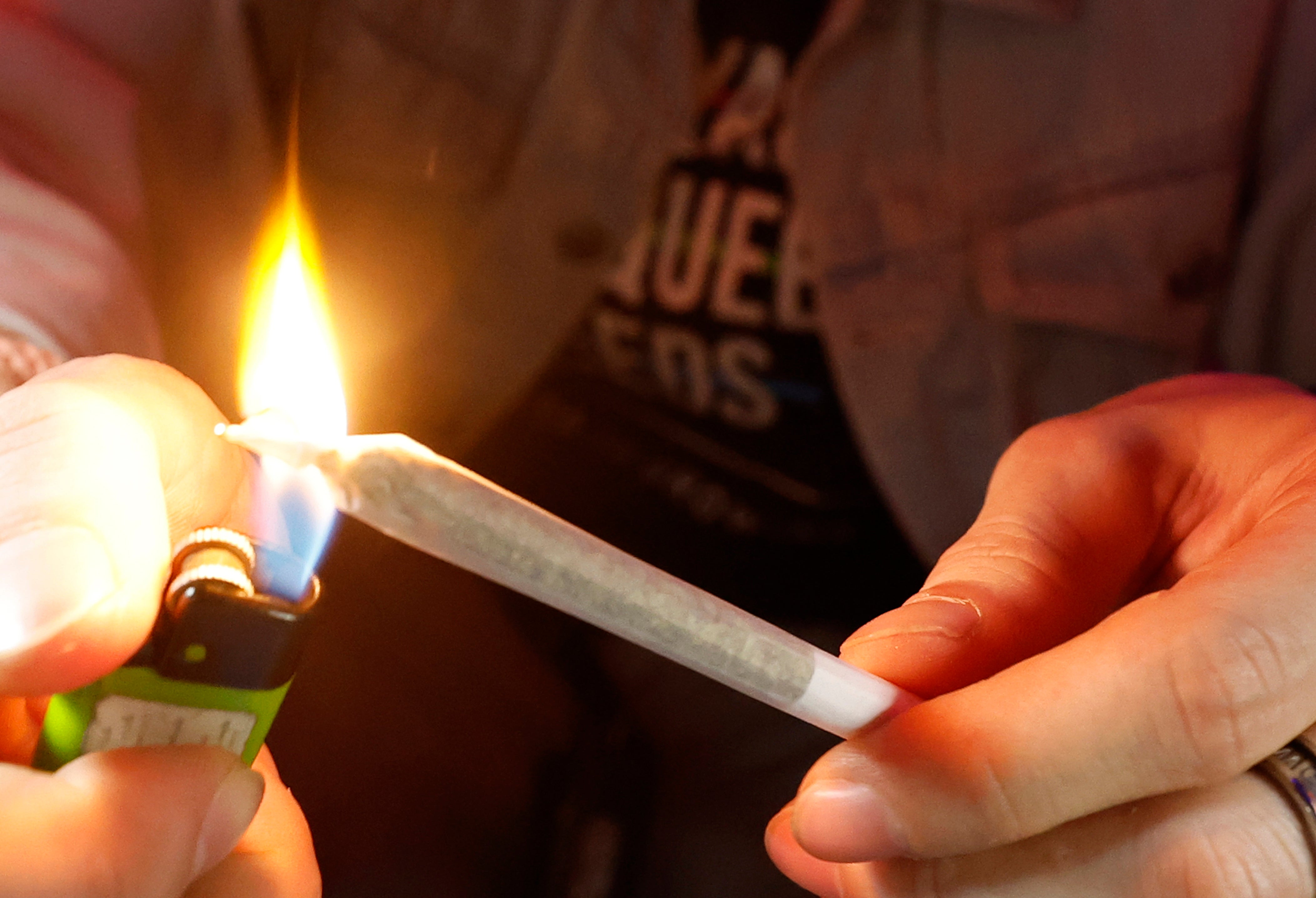
A consumer in the smoking lounge at Royal Queen Seeds cannabis store in Bangkok (EPA)
Unregulated access to cannabis has created serious social problems, particularly for children and young people, said government spokesman Jirayu Houngsub.
“The policy must return to its original goal of controlling cannabis for medical use only,” he said in a statement.
The recriminalisation push has left some cannabis industry members like Punnathat Phutthisawong, who works at the Green House Thailand dispensary in Bangkok, stunned.
“This is my main source of income,” the 25-year-old worker said.
“Many shops are probably just as shocked because a lot of them invested heavily.”
open image in gallery
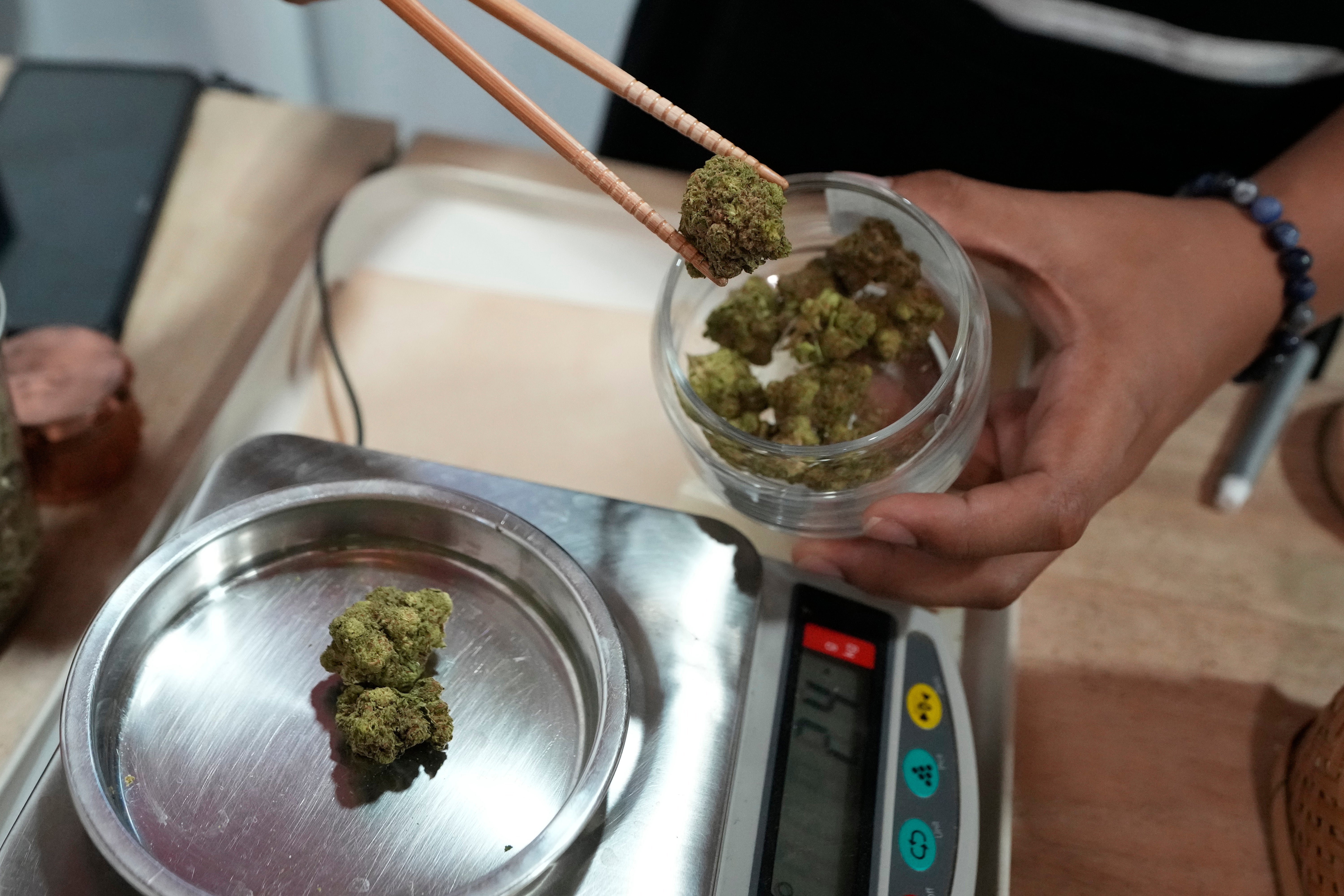
A worker prepares a flower bud of marijuana for a customer at a cannabis shop in Bangkok (AP)
The cannabis sector could have transformed Thai agriculture, medicine and tourism, but uncertainty and policy reversals have stymied any sustainable growth, said cannabis activist Chokwan Kitty Chopaka.
“The cannabis industry has become a hostage to politics,” she said.
On Wednesday, there was still a steady trickle of customers – mainly tourists – coming into cannabis shops in Bangkok’s Khao San Road area.
Among them was Daniel Wolf, who was visiting from Australia.
“There are shops everywhere, so how do they reverse this? I don’t think they can,” he said, ” It’s absolutely insane.”
No Byline Policy
Editorial Guidelines
Corrections Policy
Source