
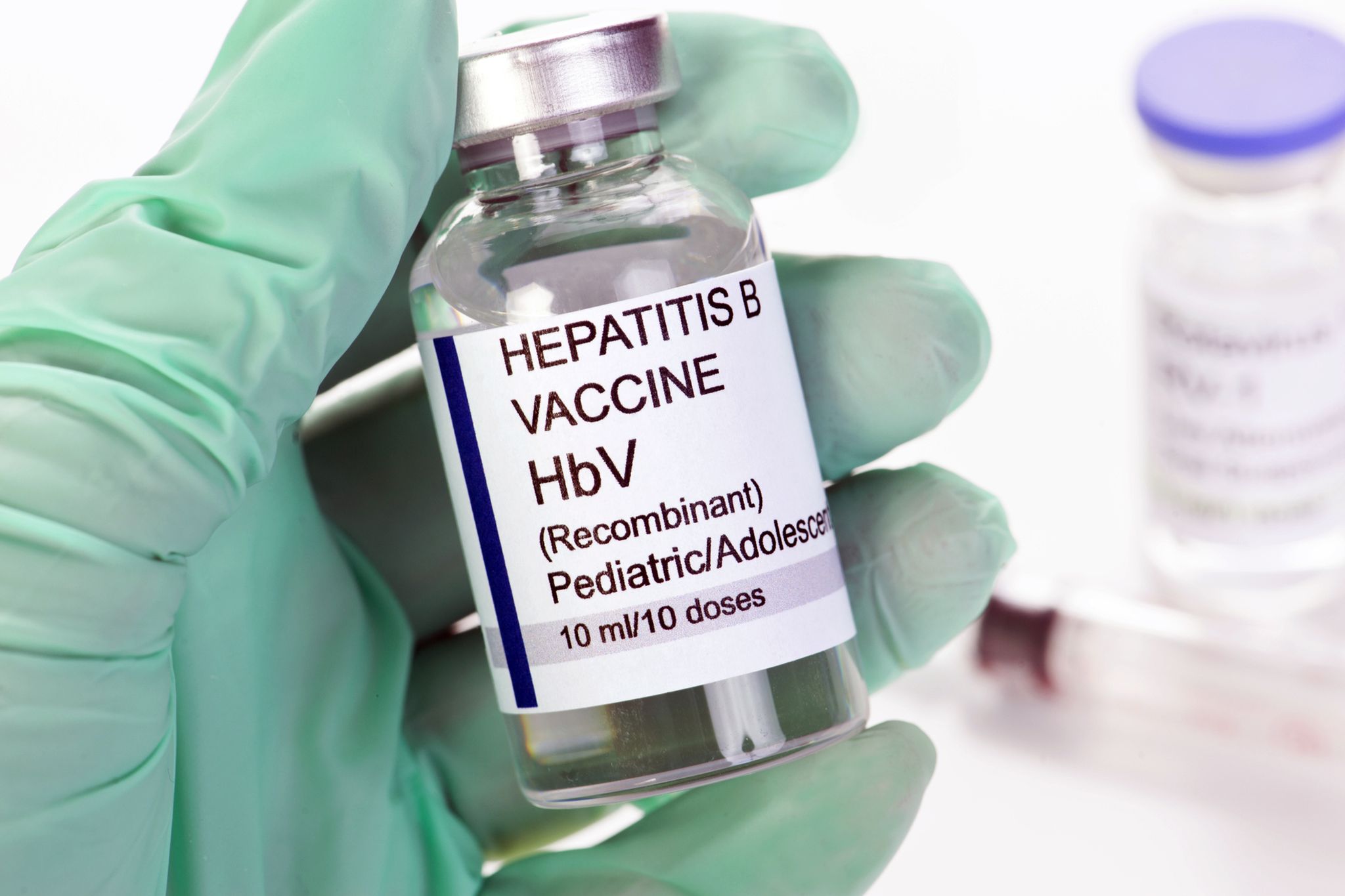
What Austin doctors say about CDC’s new guidance for Hep B vaccine
Instead of all infants being given the vaccine at birth the committee recommended that doctors can wait to give a dose until two months based on decision making between the doctors and the parents, and even that second dose is based on that same shared decision making. Subsequent doses also could be given based on doctor consultation, and parents and doctors could choose to only give the vaccine if the child had blood work that indicated exposure to the virus.
However, infants whose mothers test positive for hepatitis B, would continue to be given the vaccine at birth.
This is a vaccine that has been given to some infants since 1981 and to all infants at birth since 1991 as a standard practice.
The most common way for infants to become exposed to hepatitis is through their mothers during pregnancy, but babies and children could become infected later by parents or any caregivers with whom they have close contact.
Many local doctors will continue to follow the American Academy of Pediatrics’ recommendations.
Austin Regional Clinic, which is one of the area’s largest primary care providers, said it in a statement it is “aligned with the American Academy of Pediatrics’ (AAP) continued recommendation for routine hepatitis B vaccination for all newborns.”
Texas Children’s leaned into the shared decision-making concept, but Dr. Lara Shekerdemian, the pediatrician in chief at Texas Children’s Hospital, said, “Decades of scientific research and ongoing safety monitoring continue to show that vaccines are safe, effective and provide strong protection for children and communities. As a parent or caregiver, we want to support you in keeping your child healthy and protected. Vaccination is one of the most effective ways to do that, helping prevent serious — sometimes deadly — diseases like hepatitis, polio, pertussis, measles and more. We encourage every patient family to talk with their clinician to understand the facts and make an informed decision to protect your child and the safety and health of our broader communities.”
The American Academy of Pediatrics recommends:
“The pacing of these doses has been rigorously tested and proven to be safe and effective over several decades,” the academy wrote in its statement.
Insurance companies are not expected to deny any claims for following the American Academy of Pediatrics’ recommendations. That has been the case in other vaccine schedule changes made by the CDC committee that was restructured under the new presidential administration.
Vaccinating all newborns at birth against hepatitis B prevents them from becoming infected during birth, builds immunity during childhood and provides protection during adulthood.
The most common danger of hepatitis B in adulthood is liver disease and liver cancer. In babies and children, they can have jaundice, difficulty gaining weight or low birth weight, a swollen abdomen and chronic liver disease.
“Delaying the birth dose of the hepatitis B vaccine has no clear benefits and leaves children vulnerable to infection,” the academy wrote in its statement after the CDC committee’s decision.
In the 10-year-period from 1981 to 1991, when the vaccine was given just to babies whose mothers tested positive for the virus, children still became infected with the virus. Once all newborns were given the vaccine, there was a 99% reduction in infant hepatitis B infections, according to a joint paper this month from the Vaccine Integrity Project and the Center for Infectious Disease and Public Policy at the University of Minnesota.
That paper sited numerous studies about the effectiveness and safety of the vaccine. The vaccine comes with the same risk of other vaccines: tenderness, redness or swelling at the injection site, a short-term low-grade fever and fussiness.
No Byline Policy
Editorial Guidelines
Corrections Policy
Source