
For many, medical cannabis is a game changer
Recent reports of injury and death associated with unregulated and synthetic products like Delta 8 have highlighted for many concerns about marijuana. As a state legislator and a clinician who has developed a practice and expertise specific to cannabis, I want to highlight how useful this plant is. This medicine has been a game-changer for many, and additional policy changes are needed to make cannabis a real solution in our medical arsenal.
Medical cannabis and unregulated commercially available products like Delta 8 are remarkably different. The reports of injury and even death linked to these unregulated products are unlikely the result of the tetrahydrocannabinol (THC), but rather the myriad hazardous contaminants that study after study has demonstrated such products are likely to contain. Medical cannabis in Virginia, however, is tightly regulated for consumer safety, requiring accredited third-party laboratory testing.
People are also reading…
The evolution of the commonwealth’s medical cannabis program has not only afforded patients access to well-regulated products, but also greater relief from symptoms with fewer side effects than provided by traditional pharmaceuticals. And program improvements continue to ensure patients have access to competent practitioners and a variety of medical cannabis therapies, all of which are produced in Virginia.
For example, since 2021, medical providers issuing patient certifications have been required to obtain cannabis-specific education. Medical cannabis processors have increased product options and reduced the cost of products, all while increasing regional accessibility.
In my own medical practice, I have countless reports of improved quality of life, including seizure reduction or abatement, cessation of opioids, decreased opioid use or stabilization of dose, and decreases or cessation of alcohol, benzodiazepines, insomnia medication, and other prescription and over-the-counter drugs. Patients also report improved sleep, decreased pain, increased mobility, reduced anxiety and substantial support during end of life due to cancer and other terminal diagnoses.
In the three years medical cannabis has been accessible to Virginia patients, other clinicians likely have similar data. Because there is no state repository in which to collect outcome data, these reports are subjective, yet still important.
Marijuana plants grow in 2020 inside the propagation room at Richmond’s Green Leaf Medical, a medical marijuana dispensary selling a variety of cannabis products.
As a clinician, I regularly ask my patients what is working and what needs to be improved.
This feedback has resulted in several successful legislative efforts to make cannabis a better medicine for patients and practitioners.
Two such bills are H.B. 2368 and H.B. 2369.
H.B. 2368 seeks to provide product labeling consistent with other medications, allow disabled patients to designate a registered agent to get their medication for them without paying an extra fee, and name products in the Prescription Monitoring Program consistent with their active ingredients.
H.B. 2369 seeks to improve the availability of CBD-dominant products and increase access to dispensaries in all regions, including Health Service Area I, which currently has none.
For millennia, cannabis, referred to by many as marijuana, contained much lower amounts of THC and other therapeutic compounds, called cannabinoids. Today, botanical cannabis flower typically has 10% to 28% THC. Vape cartridges and concentrates generally range from 50% to 90% THC. Most medical cannabis patients do not need products with high amounts of THC and are frustrated by the lack of product diversity in their areas. To that end, we as legislators must maintain our focus on patients as well as on the business of medical cannabis.
The issues are not lack of clinician availability to certify patients so much as a lack of product availability and affordability. While costs for patients have come down, price decrease is no substitute for insurance coverage, which is not currently available for either the certification appointment or medical cannabis products.
We must also remember that for tens of thousands of Virginians, medical cannabis is the answer to issues like pain, seizures and insomnia, but it is also not the only answer. We still have much to learn, and we can only do this through program growth. In the future, as adult-use cannabis retail sales become legal, it is my hope that we will be able to collect better quality data specific to outcomes and further legitimize true use of a very important medicinal plant.
Close
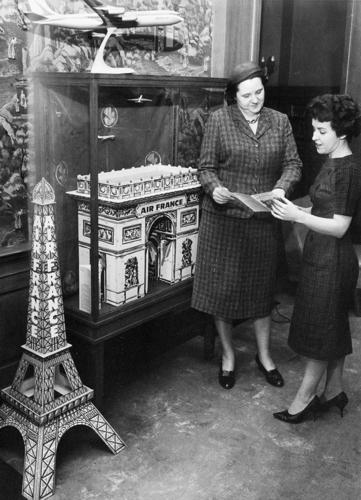
YWCA
04-08-1962 (cutline): Mrs. Roger Buck, YWCA tour director, discusses itinerary with Mrs. Helen Murphy, right.
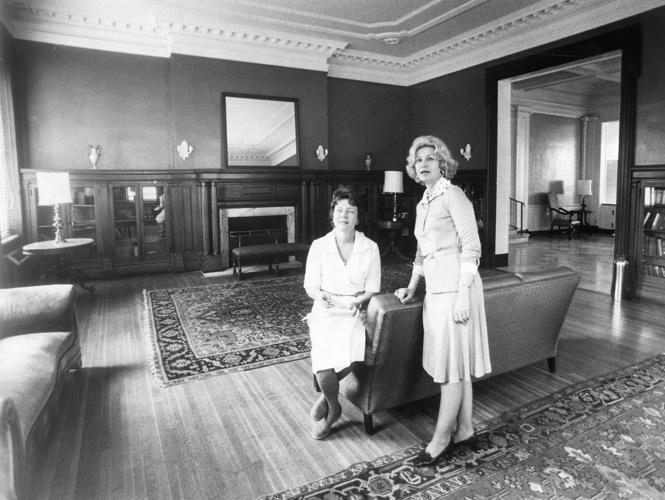
YWCA
05-03-1977 (cutline): YWCA Reopens With New Look. The downtown YWCA is reopening its doors with a new interior. Above, Mrs. Frankie King (left), president of the board of directors, and Mrs. Minnie Lee Rice, executive director, look over the newly-decorated library in the building. The YWCA reopened yesterday with full staff of nine and served lunch in the cafeteria to about 60 people.
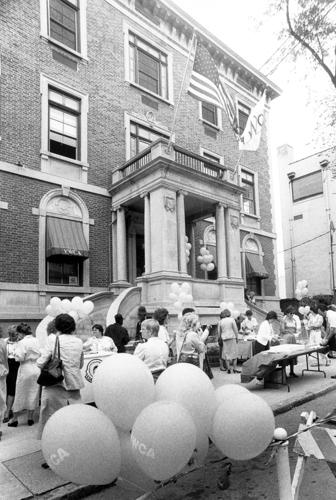
YWCA
05-14-1987 (cutline): Birthday Block Party. People passing by the 6 N. Fifth St. yesterday walked into a street festival celebrating the Richmond YWCA’s 100th birthday. Staff members passed out cake and ice cream sandwiches and radio personalities gave away key chains and bumper stickers. “We’re on the move” is the YWCA’s centennial year theme.
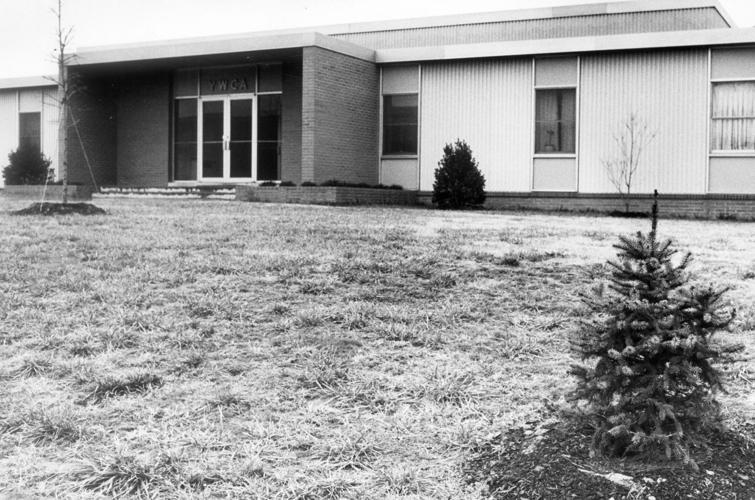
YWCA
01-07-1972 (cutline): Beginnings of beauty won prizes for the landscape planning and planting for three garden clubs today at the Richmond Council of Garden Clubs luncheon. Winners were the Garden for the Blind.
YWCA
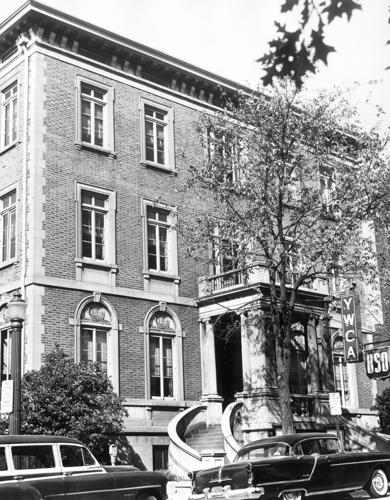
10-31-1954 (cutline): The YWCA building on North Firth Street, built in 1914.
YWCA
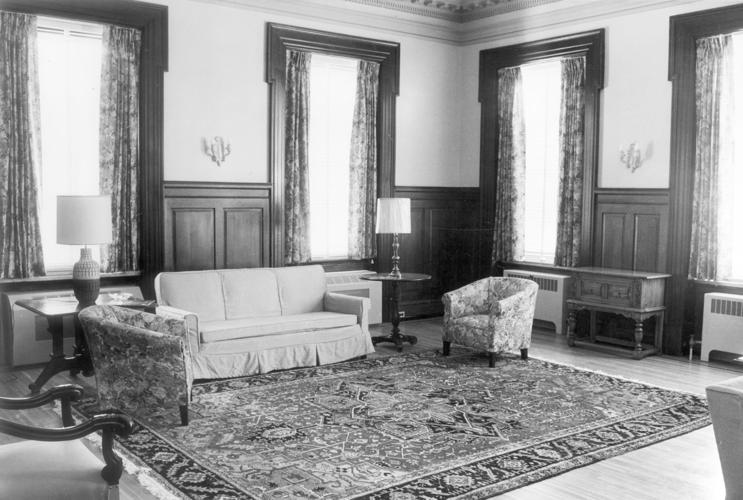
10-13-1963 (cutline): Redecorated Library-Reception room offers warm welcome to visitors. New draperies, refinished and newly upholstered furniture lend beauty to room.

YWCA
05-23-1971 (cutline): Mrs. Myrtle Palmer teaches exercises to Mrs. Irving Bonett (left), Mrs. I.S. Greentree, Mrs. Mary Smith. Others are Mrs. Frank H. Nalls Jr., Mrs. George T. Georges, Mrs. Lewis W. Thompson.
YWCA
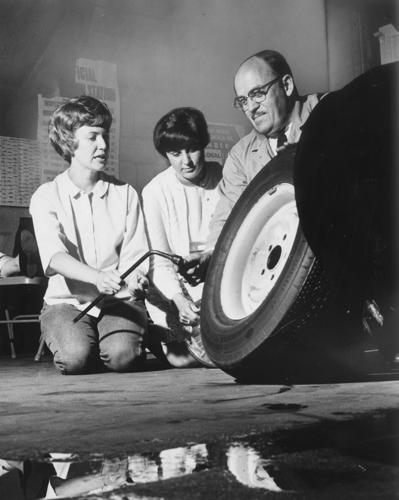
05-30-1968 (cutline): Learn Mechanics. YWCA-sponsored classes to teach women the mechanics of an automobile and a basic understanding of preventative maintenance and on-the-road repairs have been conduced weeking in Richmond since March.
YWCA
04-08-1962 (cutline): Mrs. Roger Buck, YWCA tour director, discusses itinerary with Mrs. Helen Murphy, right.
YWCA
05-03-1977 (cutline): YWCA Reopens With New Look. The downtown YWCA is reopening its doors with a new interior. Above, Mrs. Frankie King (left), president of the board of directors, and Mrs. Minnie Lee Rice, executive director, look over the newly-decorated library in the building. The YWCA reopened yesterday with full staff of nine and served lunch in the cafeteria to about 60 people.
YWCA
05-14-1987 (cutline): Birthday Block Party. People passing by the 6 N. Fifth St. yesterday walked into a street festival celebrating the Richmond YWCA’s 100th birthday. Staff members passed out cake and ice cream sandwiches and radio personalities gave away key chains and bumper stickers. “We’re on the move” is the YWCA’s centennial year theme.
YWCA
01-07-1972 (cutline): Beginnings of beauty won prizes for the landscape planning and planting for three garden clubs today at the Richmond Council of Garden Clubs luncheon. Winners were the Garden for the Blind.
YWCA
10-31-1954 (cutline): The YWCA building on North Firth Street, built in 1914.
YWCA
10-13-1963 (cutline): Redecorated Library-Reception room offers warm welcome to visitors. New draperies, refinished and newly upholstered furniture lend beauty to room.
YWCA
05-23-1971 (cutline): Mrs. Myrtle Palmer teaches exercises to Mrs. Irving Bonett (left), Mrs. I.S. Greentree, Mrs. Mary Smith. Others are Mrs. Frank H. Nalls Jr., Mrs. George T. Georges, Mrs. Lewis W. Thompson.
YWCA
05-30-1968 (cutline): Learn Mechanics. YWCA-sponsored classes to teach women the mechanics of an automobile and a basic understanding of preventative maintenance and on-the-road repairs have been conduced weeking in Richmond since March.
No Byline Policy
Editorial Guidelines
Corrections Policy
Source