

Is milk really good for our bones? The complicated science behind it
From childhood, many of us have heard the same tune, from parents, grandparents, teachers, and even nutritionists: “Drink your milk, it’s good for your bones.” This advice has been woven into public health campaigns and school lunch programs for decades. And they weren’t wrong, milk is rich in calcium, protein, and vitamin D, all nutrients that are essential for bone health.But that’s not the whole story. With over a third of people in the United States having trouble digesting lactose, and with conflicting research about milk’s long-term benefits, the link between milk and strong bones isn’t as straightforward as it seems. Milk may be good for you, but the science reveals a more nuanced picture.
How much milk is recommended, usually?
The U.S. Dietary Guidelines recommend that adults consume 1,000 to 1,200 milligrams of calcium per day, but that target is debated. In the United Kingdom, for instance, the recommendation is only 700 milligrams. Calcium plays a central role in maintaining bone strength. When your diet doesn’t provide enough, your body can pull calcium from your bones to keep blood calcium levels stable. This process happens more as we age, which is why bone density tends to decrease after age 50.
What the research says
Past clinical trials have shown that children and adults who were low on calcium could increase their bone density by up to 3% if they boosted their intake through dairy or supplements. But Dr. Walter Willett of Harvard T.H. Chan School of Public Health told The New York Times that such gains were “too small to meaningfully reduce fracture risk.” He noted that much of the belief in high calcium needs comes from short-term studies, which don’t necessarily predict long-term outcomes.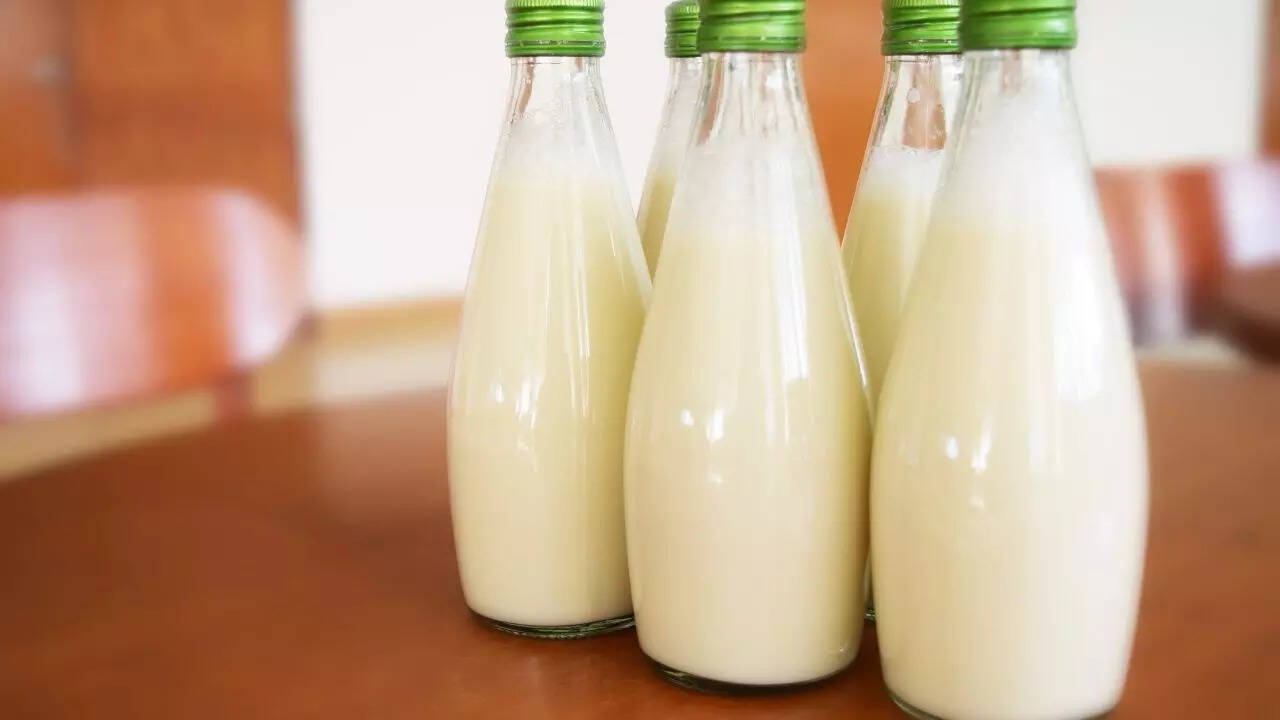 Funding bias is another concern. An analysis of 79 milk studies published between 1999 and 2003 found that over a third were funded by the dairy industry. And when researchers have looked at populations worldwide, the results don’t always match the milk narrative: a 2020 review found that countries with the lowest milk consumption often had the lowest rates of hip fractures. Similarly, meta-analyses have found no consistent association between higher milk intake and lower fracture risk.
Milk may not be the deciding factor
The difficulty in proving a direct cause-and-effect link between milk and bone strength suggests that other factors, like exercise, genetics, and overall diet, may be more influential. Weight-bearing exercise in particular stimulates bone growth, while diets rich in fruits, vegetables, and other calcium sources can also provide protection.
Milk is good, indeed, but for whom?
Certain groups may benefit more from milk than others. Children aged 9 to 18 need more calcium than any other age group to fuel rapid growth. Older adults also have higher needs because natural calcium-conserving mechanisms decline with age.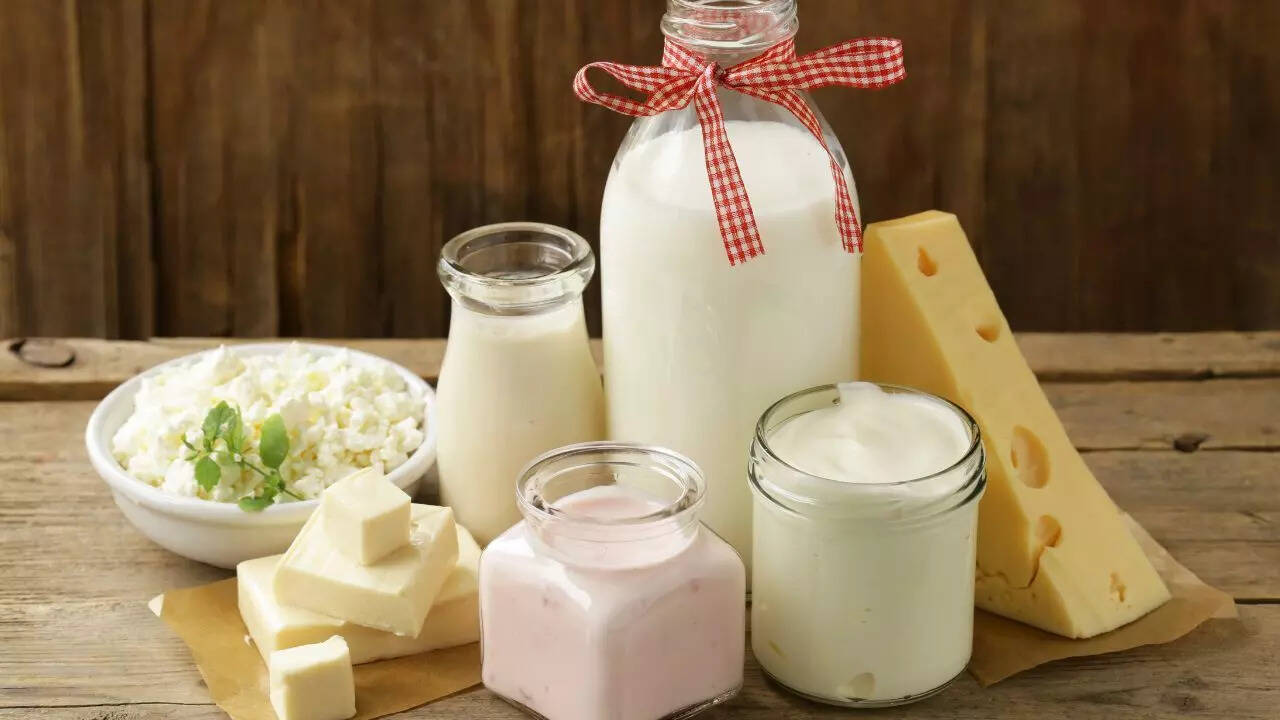 A 2021 clinical trial in Australia followed over 7,000 older adults in assisted care facilities for two years. Those who increased their dairy intake from two servings to 3.5 servings daily had an 11% lower risk of falls and a 33% lower risk of fractures compared with the control group. They also maintained more weight, muscle mass, and bone density, though researchers couldn’t confirm whether the fracture protection came directly from stronger bones or from other factors like improved muscle strength.
Alternatives to Milk
Milk is still a reliable source of calcium, but it’s far from the only one. Foods such as tofu, bony fish (like sardines and salmon), leafy green vegetables, fortified orange juice, and plant-based milks can all provide adequate calcium.There’s also evidence that fermented dairy products, such as yogurt and cheese, may be a better choice than milk for many people. These foods tend to be better tolerated by those with lactose sensitivity, support the gut microbiome, and have been linked more strongly to lower fracture risk than milk itself.
No Byline Policy
Editorial Guidelines
Corrections Policy
Source